
Product insights ·
Tofu or bentonite? Choosing cat litter for your product range
Emily pets editorial team
Which cat litter suits your sales channel? For retailers and importers serving Germany, the decision starts with a clear product brief. Material, packaging and purchasing costs need to work together. This guide explains how to assess tofu and bentonite cat litter without assuming that a material name proves the performance of a specific product.
1. Define your product range first
Decide whether you want to extend your existing range or build a private-label line. Describe your sales channel: specialist retail, an online shop or wholesale. Then establish which pack size, price position and product information your customers need.
A useful comparison starts with the same task. Assess two samples for a particular shelf position and a defined retail price bracket. This helps you judge suitability for your specific range.
2. Compare material and pack format separately
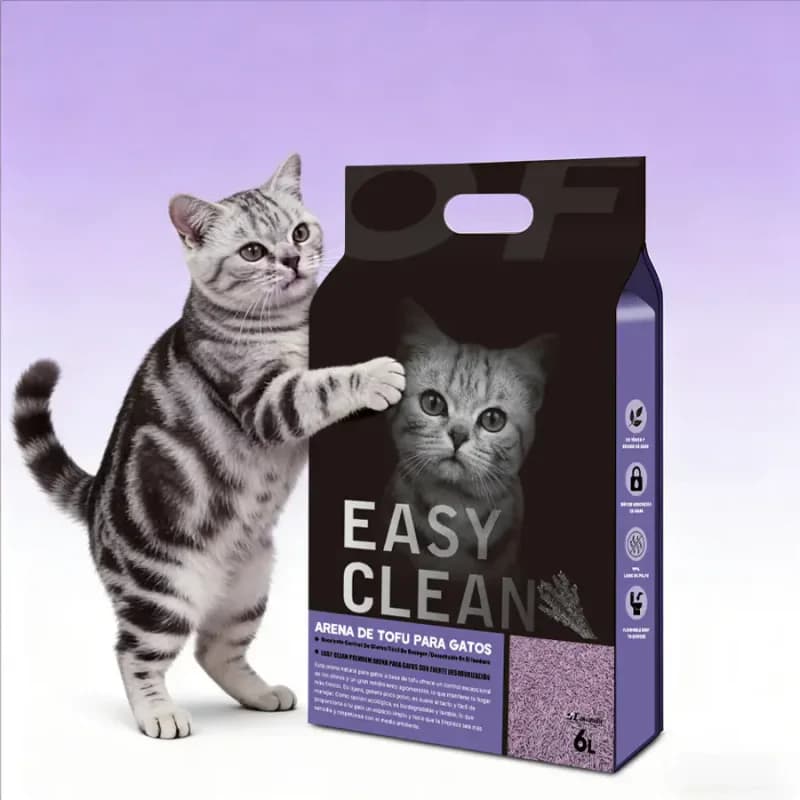
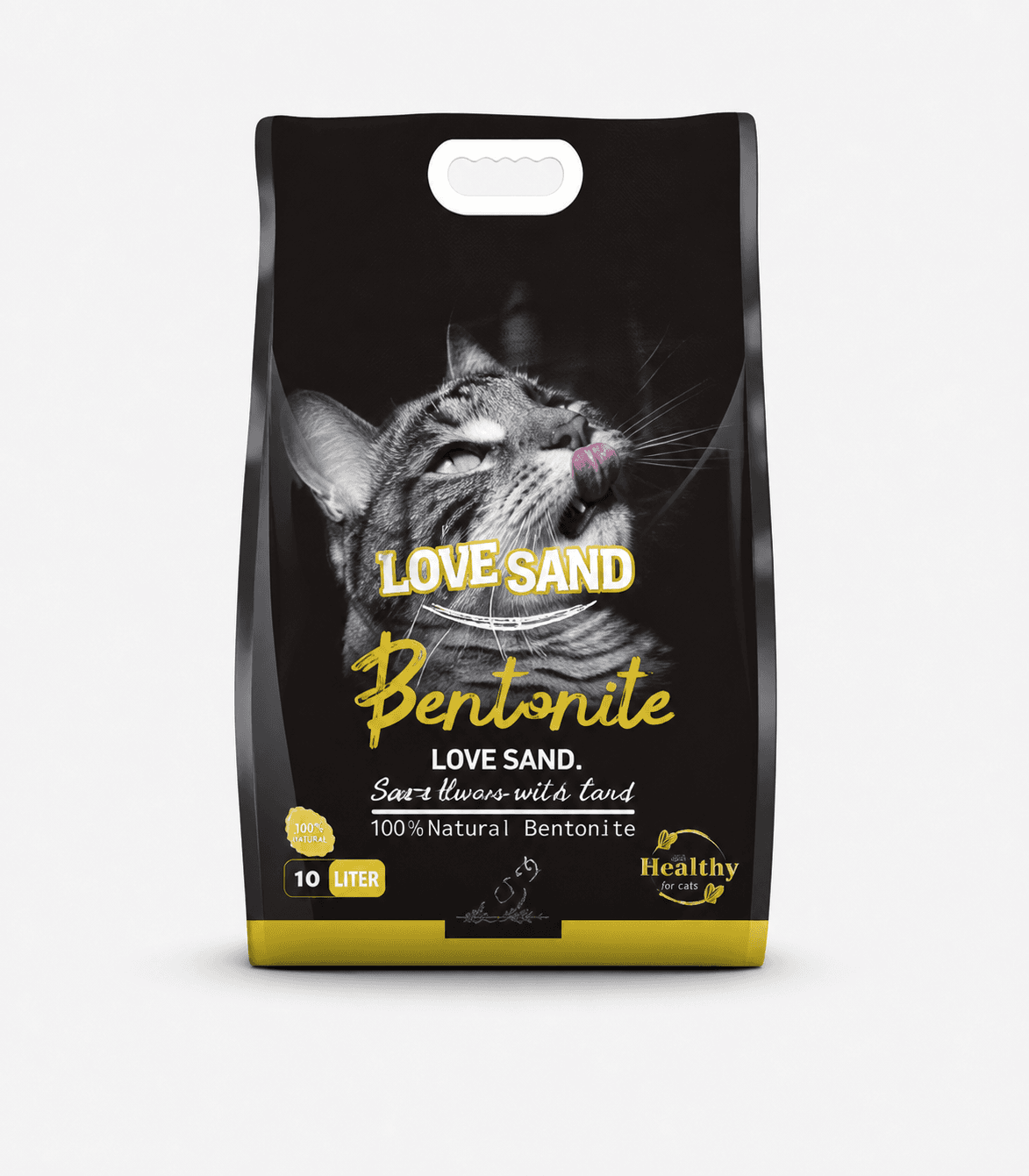
Our listed tofu product uses soy-based material in pellet form; its data lists 6 L and 8 L packs. The LOVE SAND bentonite product is listed as mineral granules with pack specifications of 10 L / 8 kg. Confirm available versions when making an inquiry.
Litres and kilograms are not interchangeable. Nominal fill quantity alone cannot establish usage duration or cost per use. Request net weight, pack dimensions and packing units before calculating storage, shipping and product costs.
3. Evaluate samples against a shared test plan
Agree which properties you want to compare: for example, visible dust during pouring, handling, particle tracking and cleaning. If clumping is part of your specification, define a consistent assessment method.
Use comparable quantities, containers and test periods. Record observations with photographs and brief notes. A single demonstration is not evidence for every subsequent batch. Agree which characteristics the approved sample and ordered goods must meet.
Use claims such as ‘dust-free’, ‘antibacterial’ or numerical performance statements only with suitable evidence. Disposal instructions must suit the product and market: plant-based material does not automatically make litter suitable for flushing or organic waste collection.
4. Plan OEM/ODM packaging early
For an OEM project, you provide your product specification and brand design. An ODM discussion develops a product and packaging concept together. Discuss bag format, fill quantity, closure, print files and German product information early.
Review outer cartons, units per carton, pallet configuration and transit protection. Agree artwork and packaging samples before ordering. Minimum quantity, cost, feasibility and delivery timing are confirmed per project; a product photograph does not replace this approval.
5. Prepare a comparable inquiry
Send the same brief for both materials: Germany as the target market, sales channel, pack size, planned quantity, brand design and sample criteria. Include your intended delivery location and request a clear quotation scope.
Compare complete quotations rather than unit prices alone. Record outstanding product, packaging and transport questions in writing. The right variant meets your confirmed requirements and fits the economics of your range.
Checklist for your initial discussion
- Material and product variant
- Pack size, net weight and dimensions
- Sales channel and planned quantity
- Sample criteria and approval process
- Brand design and German packaging copy
- Delivery location and quotation scope